RABIES EDUCATION PROJECT
Empowering learners, teachers, and communities with practical, lifesaving rabies awareness
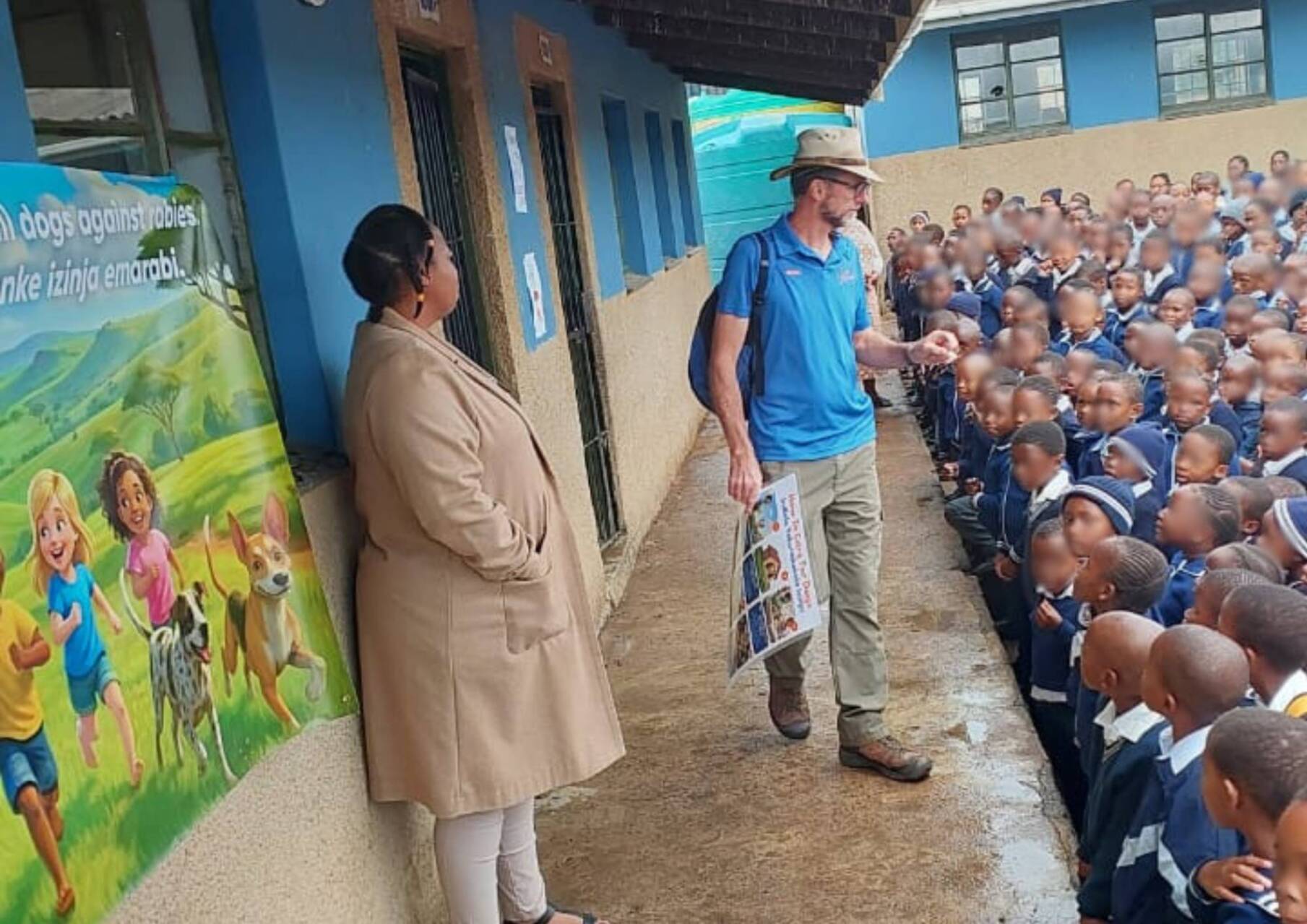
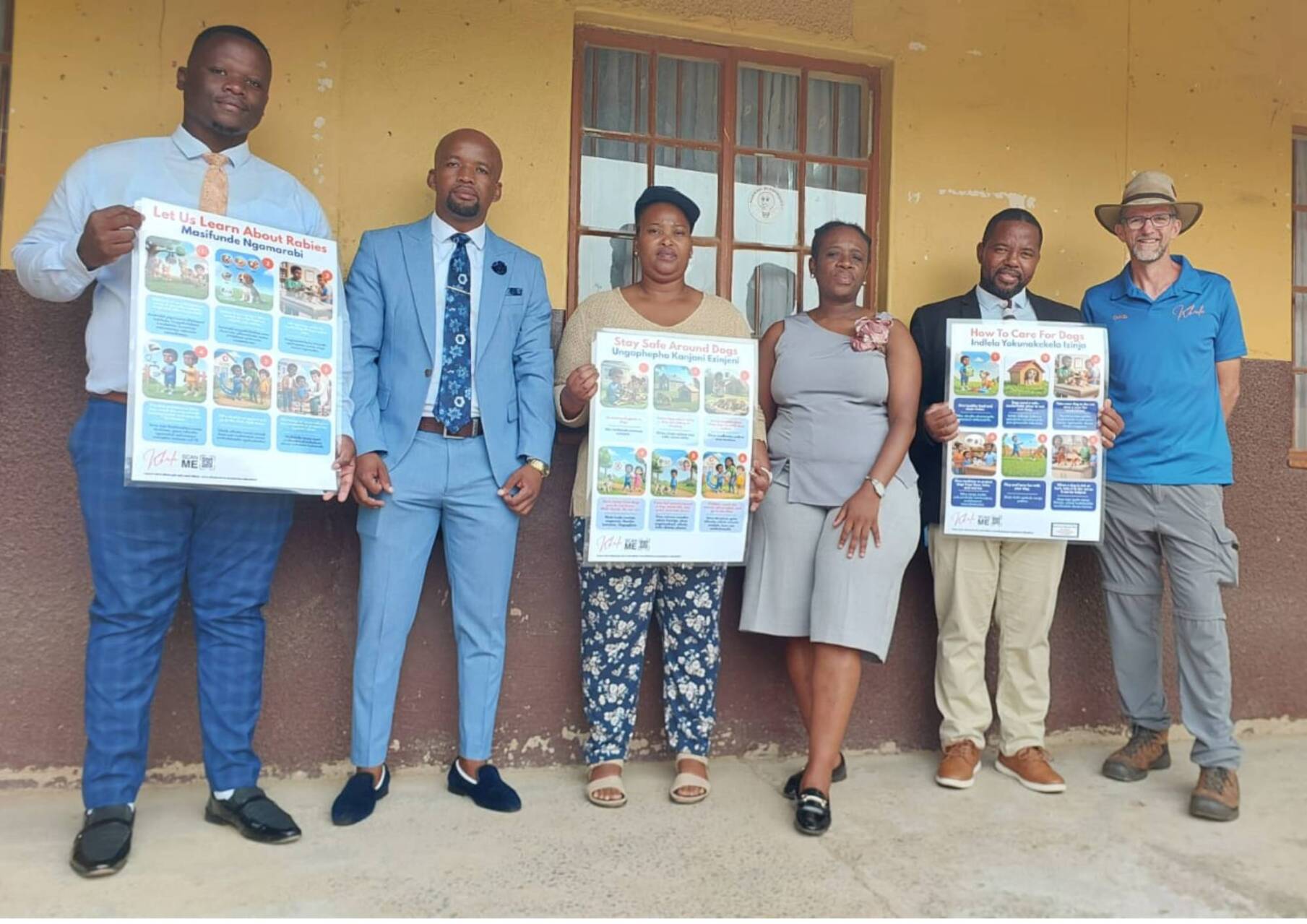
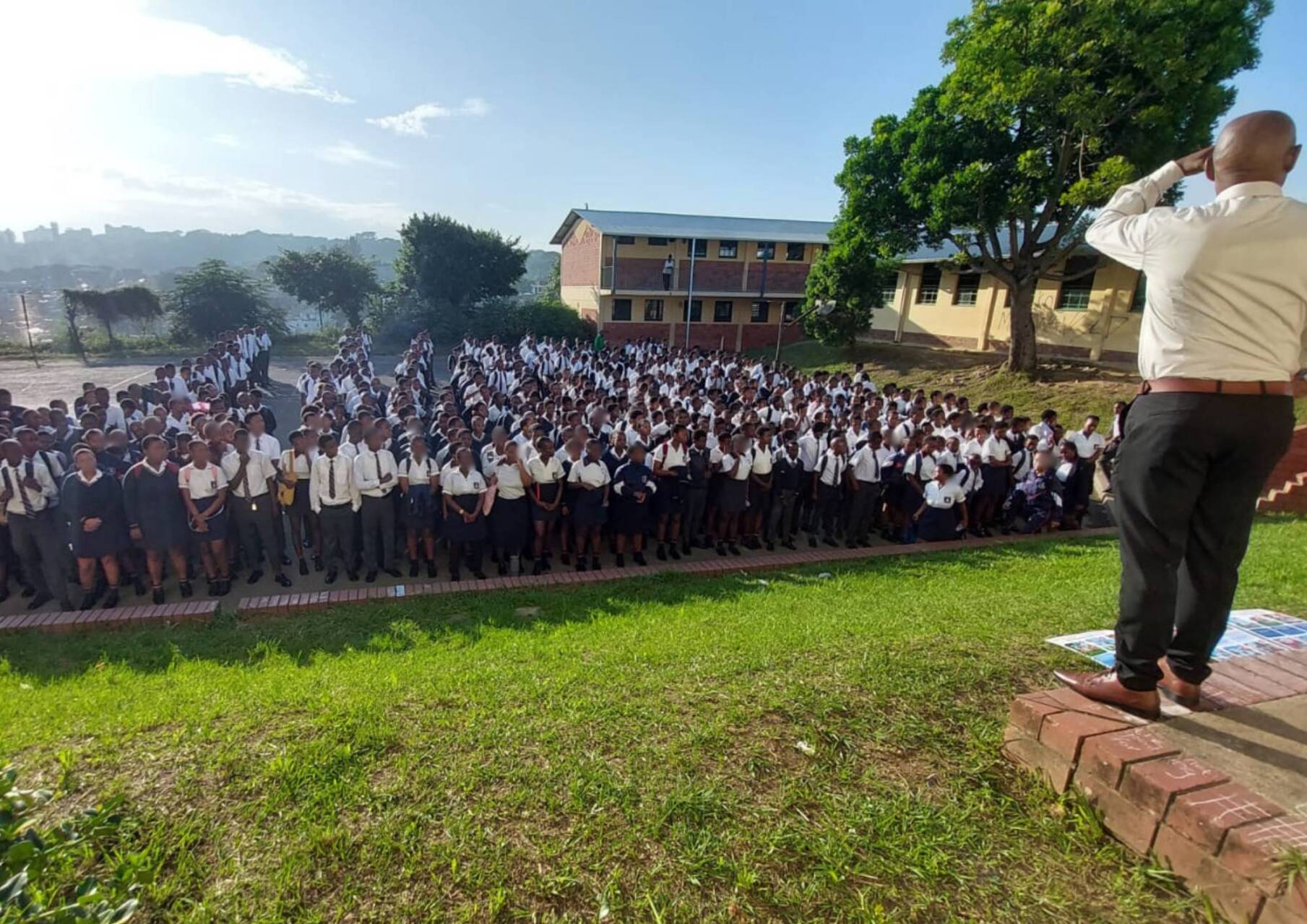
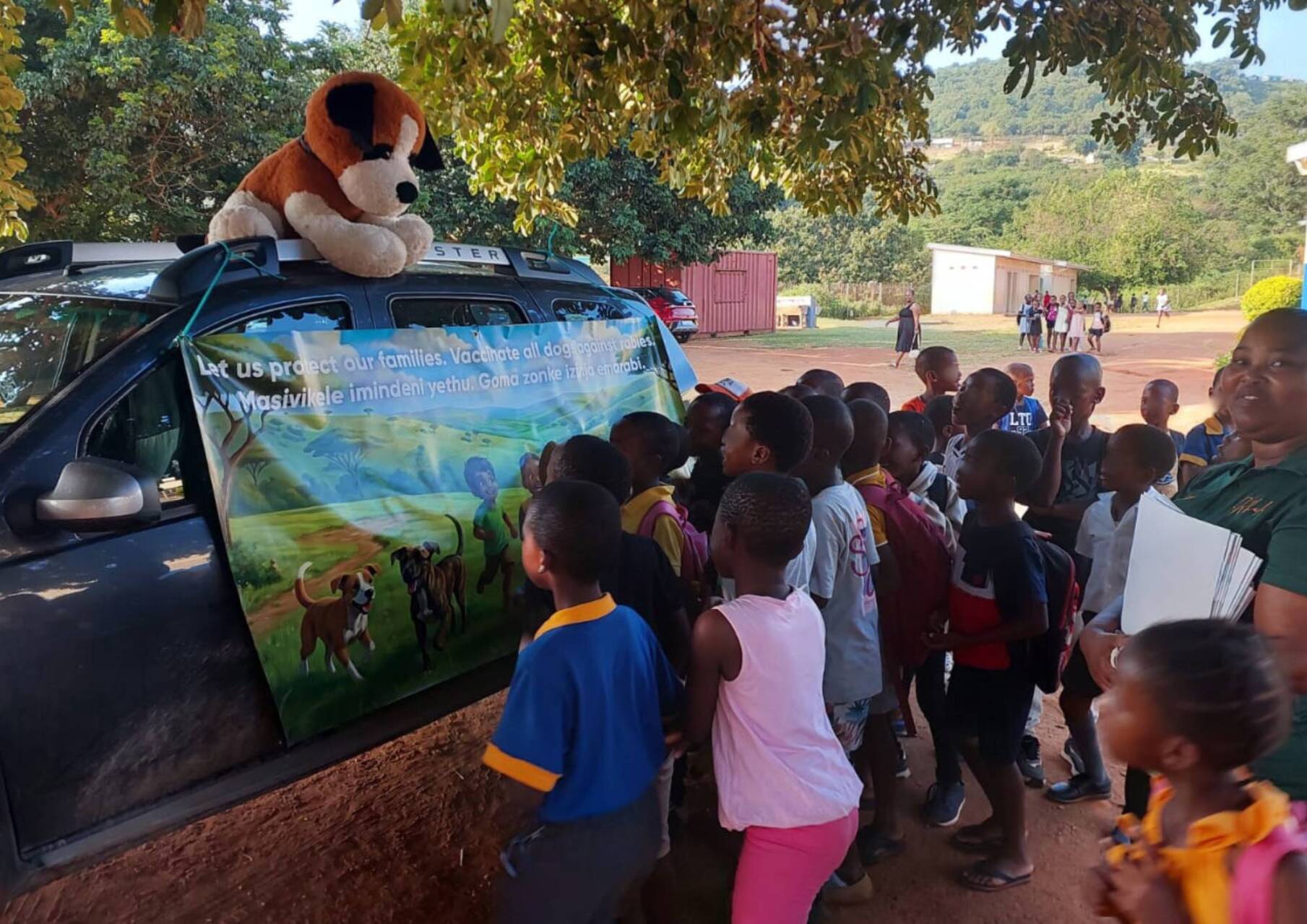
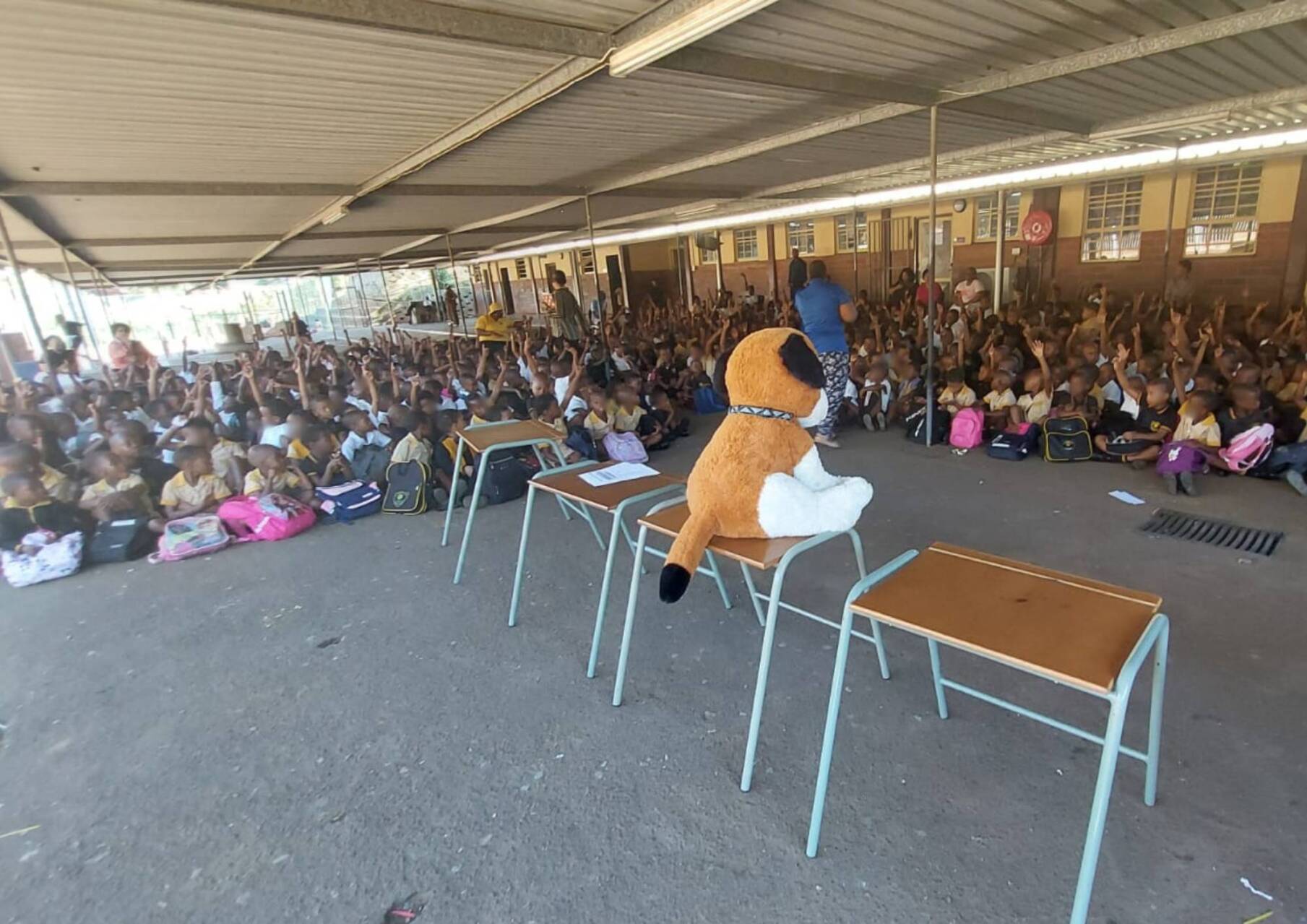
In collaboration with Stop Rabies, an initiative by Boehringer Ingelheim, Khula Vet is delivering a free school-based rabies education programme across KwaZulu-Natal. Our goal is to equip children with simple, safe, memorable lessons that prevent dog bites, promote early reporting, and ultimately save lives.

About the 2026 Project
Who we are

Khula Vet is a veterinary training organisation founded and led by veterinarians Dr Charlotte Philip and Dr Michelle Markram. We are committed to delivering practical, accessible training that strengthens veterinary teams, animal welfare organisations, and the communities they support. Our approach is rooted in preventative education and the belief that confident, well-trained people create safer, healthier environments for both animals and people.

The 2026 project is delivered in collaboration with Stop Rabies – a global initiative by Boehringer Ingelheim, dedicated to eliminating canine-mediated human rabies.
Stop Rabies supports vaccination, community awareness, and educational programmes worldwide, providing strategic support, resources, and partnership for the Khula Rabies Education Project.
Programme Lead
Daniel Stewart
Veterinary behaviourist with over 20 years’ experience in animal welfare, education, and community outreach
The programme is led by Daniel Stewart, who brings extensive international experience in delivering animal welfare and rabies education programmes. He has delivered training in more than 24 countries, including work with the World Health Organization (WHO), Food and Agriculture Organization (FAO), the CDC, and the Australian Government.
Daniel specialises in clear, practical, and child-friendly education that helps communities understand animal behaviour, reduce dog bite risk, and improve human–animal interactions.
Many bites happen because children misunderstand how animals communicate. When learners understand safe, kind ways to interact with dogs, they protect themselves and help their families.

Why Schools Are Key
Children are the most commonly affected age group for dog bites in South Africa. Schools provide a safe, structured environment for large-scale, effective awareness delivery.
Rabies is almost always fatal – but rabies is 100% preventable
when communities understand:
How to behave safely around animals
How to recognise concerning behaviour
What to do after an exposure
Why vaccinating dogs is essential
By teaching children, we strengthen families, neighbourhoods, and entire communities.
WHAT LEARNERS WILL BE TAUGHT
Where we will be
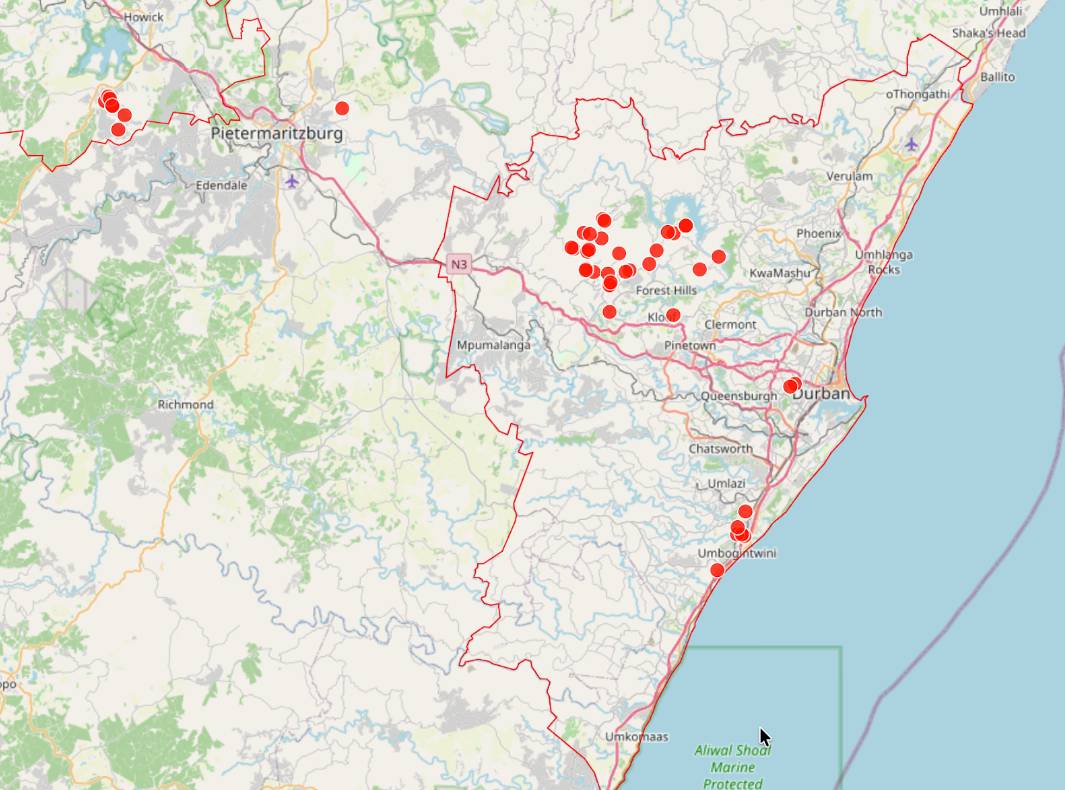
The 2026 programme will primarily focus on:
- Outer West Durban
- Additional high-risk communities identified by KZN State Veterinary Services
- Schools with little to no access to animal health information
A regional map will be added as visits are scheduled.
How Schools Can Participate
Is the programme free?
Yes. The programme is completely free for participating schools.
What ages/grades is it suitable for?
It is suitable for all ages and grades, from Foundation Phase through to Intermediate and Senior Phase.
How long is each session?
Each session runs for approximately one hour.
What does the school need to provide?
The school only needs to provide a safe, open area for the training session (indoors or outdoors).
How do we make a booking?
You can book by completing the contact form below, emailing us at rabieseducation@khulavet.co.za, or calling +27 76 658 2574.
Contact Us